Slides · PPTX · 748 KB · 20 slides
Ethics the environment and business.pptx
Built from the lesson script on 27 September 2026.
EDEXCEL GCSE BUSINESS · PAPER 2

Ethics, the environment and business
Growing the business
Lesson 4 of 4
openrevise.com
EDEXCEL GCSE BUSINESS · PAPER 2

Last Lesson
Growing the business
Lesson 4 of 4
Answer from memory before the answers appear.
1
What is globalisation?
2
What is a tariff?
3
What is a multinational company?
4
Give one way a business can compete internationally.
openrevise.com
EDEXCEL GCSE BUSINESS · PAPER 2

Last Lesson - Answers
Growing the business
Lesson 4 of 4
1
What is globalisation?
The process by which the world's economies are becoming increasingly connected.
2
What is a tariff?
A tax on imported goods.
3
What is a multinational company?
A business with headquarters in one country that operates in several countries.
4
Give one way a business can compete internationally.
Selling online, or adapting the marketing mix for each country.
openrevise.com
EDEXCEL GCSE BUSINESS · PAPER 2

Learning Objectives
Growing the business
Lesson 4 of 4
1
Explain ethical considerations for businesses.
2
Explain the trade-off between ethics and profit.
3
Explain environmental considerations, including sustainability.
4
Explain the impact of pressure group activity on a business's marketing mix.
openrevise.com
EDEXCEL GCSE BUSINESS · PAPER 2

What Are Business Ethics?
Growing the business
Lesson 4 of 4
Ethics are moral principles about what is right and wrong. An ethical business does what is morally right, not just what is legal.
Employees
Paying fair wages, providing safe working conditions and treating staff with respect.
Suppliers
Paying a fair price, especially to small producers in poorer countries, and paying on time.
Customers
Honest advertising, safe products and fair prices.
Animals and society
Avoiding animal testing, and not selling products that harm people.
openrevise.com
EDEXCEL GCSE BUSINESS · PAPER 2

Fair Trade and Ethical Sourcing
Growing the business
Lesson 4 of 4
Ethical sourcing means making sure products are made in fair and safe conditions.
Fair trade
Schemes that guarantee farmers in poorer countries a fair minimum price for their crops, plus extra money for their communities.
Supply chains
Large businesses buy from factories and farms around the world; ethical businesses check how those workers are treated.
Higher costs
Paying fair prices and checking suppliers costs more, so products may be more expensive.
Customer appeal
Many customers will pay more for products they know are ethically made.
openrevise.com
EDEXCEL GCSE BUSINESS · PAPER 2

A Fair Price for the Farmer
Growing the business
Lesson 4 of 4
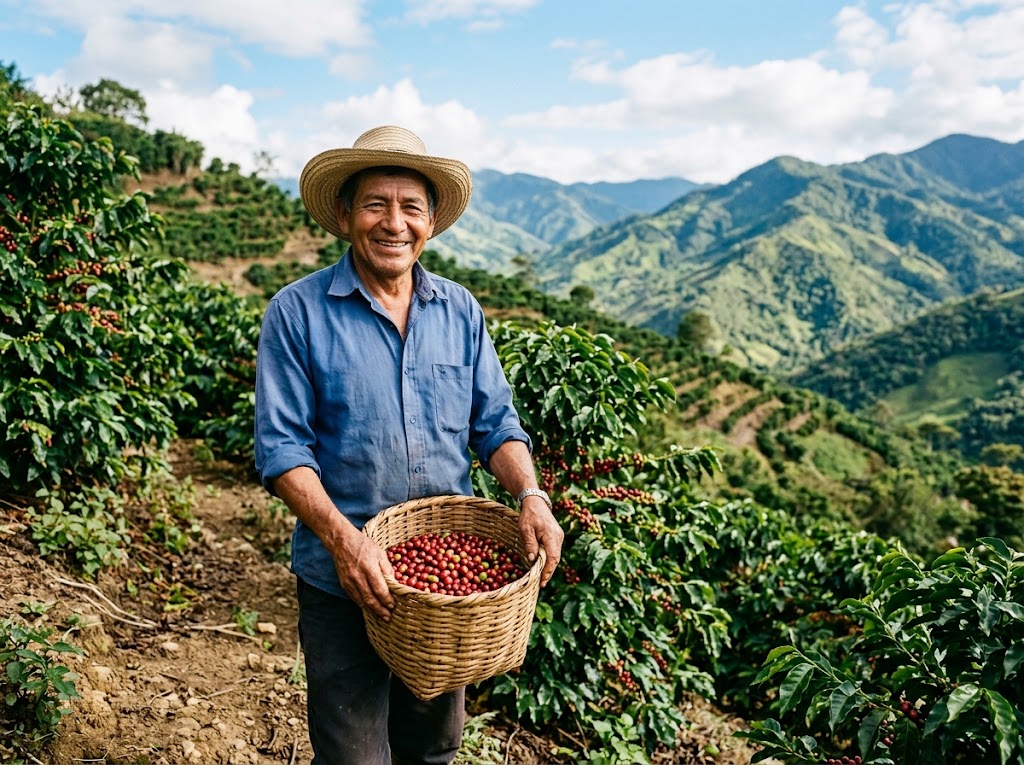
Fair trade guarantees farmers a fair minimum price for their crops.
A cup of coffee in a UK café may start on a small farm thousands of miles away. Ethical businesses make sure the farmers who grow their coffee are paid fairly - even though it means paying more than the lowest price they could get.
openrevise.com
EDEXCEL GCSE BUSINESS · PAPER 2

PART ONE
Ethics or Profit?
The trade-off every business faces.
openrevise.com
EDEXCEL GCSE BUSINESS · PAPER 2

The Ethics-Profit Trade-off
Growing the business
Lesson 4 of 4
ETHICS CAN REDUCE PROFIT
• Paying fair wages and prices raises costs.
• Checking suppliers takes time and money.
• Ethical materials are often more expensive.
• Refusing unethical but profitable business loses sales.
ETHICS CAN INCREASE PROFIT
• Customers prefer ethical businesses and pay more.
• A good reputation brings loyal customers.
• Well-treated staff work harder and stay longer.
• Avoids the costly scandal of being exposed.
openrevise.com
EDEXCEL GCSE BUSINESS · PAPER 2

PART TWO
The Environment
What businesses do to the planet.
openrevise.com
EDEXCEL GCSE BUSINESS · PAPER 2

Environmental Considerations
Growing the business
Lesson 4 of 4
Business activity can harm the environment.
Pollution
Air, water and noise pollution from factories and transport.
Waste
Packaging, unsold products and waste sent to landfill.
Using up resources
Raw materials, energy and water that may run out.
Climate change
Carbon emissions from energy use, transport and production.
openrevise.com
EDEXCEL GCSE BUSINESS · PAPER 2

Sustainability
Growing the business
Lesson 4 of 4
Sustainability means meeting today's needs without harming the ability of future generations to meet theirs.
Renewable energy
Using solar and wind power instead of fossil fuels.
Less waste
Reducing packaging, recycling and reusing materials.
Sustainable materials
Using materials that can be replaced, such as wood from managed forests.
Cleaner transport
Electric delivery vans and fewer, fuller deliveries.
openrevise.com
EDEXCEL GCSE BUSINESS · PAPER 2

Plastic or Refill?
The same products, packaged two very different ways.
Growing the business
Lesson 4 of 4
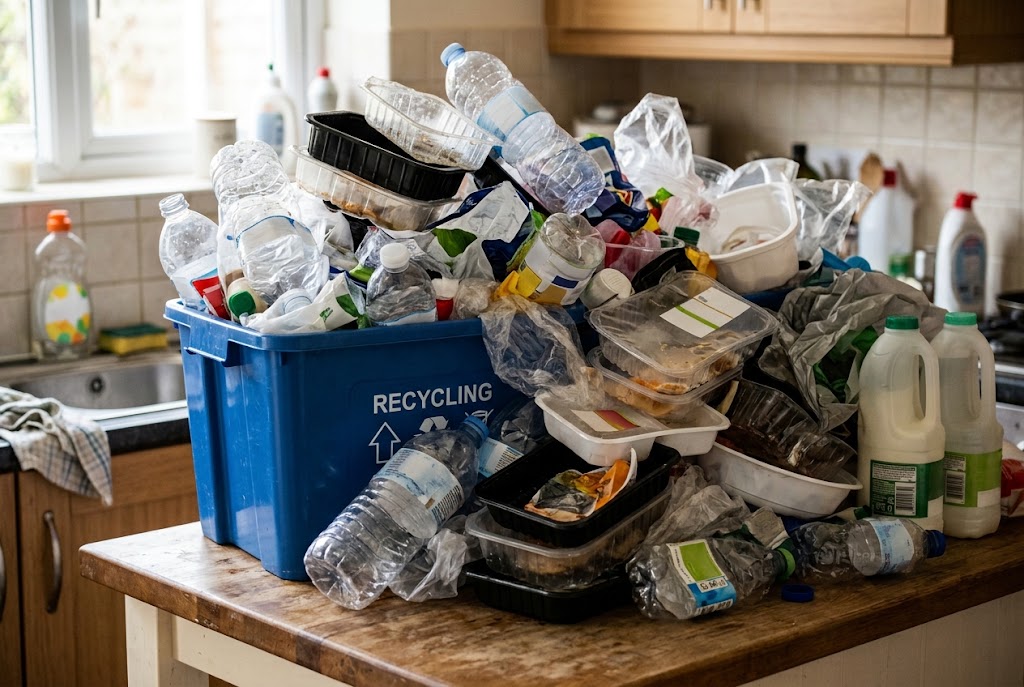
Single-use plastic: cheap, but wasteful.
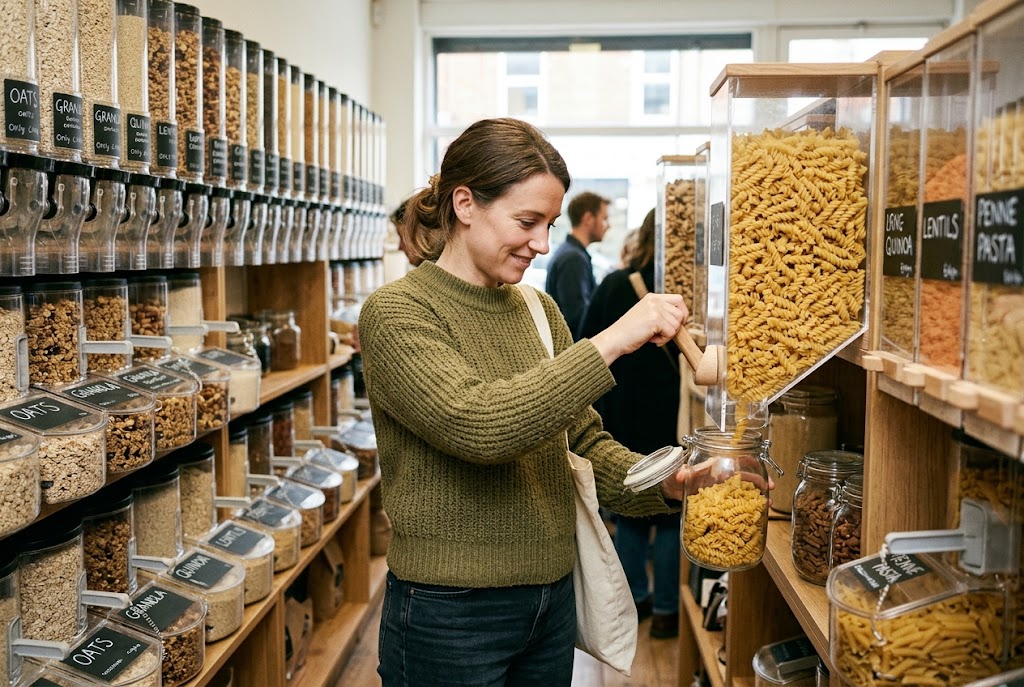
Refill: less waste, often at higher cost to the business.
openrevise.com
EDEXCEL GCSE BUSINESS · PAPER 2

Going Green: For and Against
Growing the business
Lesson 4 of 4
BENEFITS TO THE BUSINESS
• Attracts customers who care about the environment.
• A better reputation and brand image.
• Some changes cut costs, such as using less energy or packaging.
• Avoids fines and future environmental laws.
COSTS TO THE BUSINESS
• Greener materials and energy can cost more.
• New equipment, such as electric vans, is expensive.
• Higher costs may mean higher prices.
• Competitors that do not go green may be cheaper.
openrevise.com
EDEXCEL GCSE BUSINESS · PAPER 2

Pressure Groups and the Marketing Mix
Growing the business
Lesson 4 of 4
Pressure groups campaign to change how businesses behave on ethical and environmental issues.
Product
A business may change ingredients or materials - removing palm oil, or using recycled plastic.
Price
Ethical changes can raise costs, so prices may rise.
Promotion
A business may promote its new ethical credentials, or pull adverts that caused offence.
Place
A business may stop selling through a retailer, or in a country, that a pressure group has criticised.
openrevise.com
EDEXCEL GCSE BUSINESS · PAPER 2
Growing the business
Lesson 4 of 4
CASE STUDY

Rana Plaza: The Cost of Cheap Clothes
In April 2013 the Rana Plaza building in Bangladesh collapsed. It housed several clothing factories making cheap clothes for well-known Western brands, and more than 1,100 workers were killed. Cracks had appeared in the building the day before, but workers were ordered back inside. The disaster led to pressure group campaigns, customer anger and a legally binding safety agreement signed by many clothing brands. It showed that the lowest possible cost can come at a terrible human price - and that customers expect brands to know how their products are made.
2013
The Rana Plaza factory building collapses
1,100+
Workers killed
openrevise.com
EDEXCEL GCSE BUSINESS · PAPER 2

Key Terms
Growing the business
Lesson 4 of 4
Ethics
Moral principles about what is right and wrong.
Ethical business
A business that does what is morally right, not just what is legal.
Fair trade
A scheme guaranteeing farmers in poorer countries a fair price for their products.
Supply chain
All the businesses involved in making a product and getting it to the customer.
Sustainability
Meeting today's needs without harming future generations' ability to meet theirs.
Carbon footprint
The amount of carbon dioxide produced by a business's activities.
Pressure group
An organised group that tries to change the behaviour of businesses or the government.
openrevise.com
EDEXCEL GCSE BUSINESS · PAPER 2
Growing the business
Lesson 4 of 4

YOUR TASK
The Ethical Boardroom
15 minutes
A chain of clothing stores could cut costs by 20% by switching to a factory abroad with poor safety records. Split into two sides: one argues for switching (profit), one against (ethics). Then agree a final decision and explain how the business should communicate it to customers.
1
Arguments for switching.
2
Arguments against switching.
3
The final decision, and why.
4
How to tell customers.
WHAT A GOOD ANSWER SHOWS
Arguments on both sides linked to costs, reputation, customers and staff, with a justified decision.
openrevise.com
EDEXCEL GCSE BUSINESS · PAPER 2

Can I...?
Growing the business
Lesson 4 of 4
Explain what business ethics are.
Explain ethical treatment of employees and suppliers.
Explain fair trade.
Explain the ethics-profit trade-off.
Explain environmental impacts of business.
Explain sustainability.
Explain the benefits and costs of going green.
Explain how pressure groups affect the marketing mix.
openrevise.com
EDEXCEL GCSE BUSINESS · PAPER 2
Summary & Exam Focus
Ethical businesses treat employees, suppliers and customers fairly - often at a higher cost.
Ethics can reduce profit through higher costs, or increase it through reputation and loyalty.
Businesses harm the environment through pollution, waste, resource use and emissions; sustainability reduces this.
Pressure groups can force changes to the marketing mix.
EXAM FOCUS
Explain one way that behaving ethically could increase a business's profit. (3 marks)
Ethics questions reward balance: ethics costs money in the short term, but can win customers and protect reputation. Show you understand both.
openrevise.com
← → to move, F to present full screen, G for every slide at once.