Slides · PPTX · 626 KB · 33 slides
Sources of business finance - Teacher Slides.pptx
The lesson slides with the teacher's notes on each slide, and every question and mark scheme built in. Built from the lesson script on 25 September 2026.
EDEXCEL GCSE BUSINESS · PAPER 1

Sources of business finance
Putting a business idea into practice
Lesson 5 of 5
openrevise.com
EDEXCEL GCSE BUSINESS · PAPER 1

Last Lesson
Putting a business idea into practice
Lesson 5 of 5
Answer from memory before the answers appear.
1
Why is cash important to a business?
2
How do you calculate net cash flow?
3
How do you calculate the closing balance?
4
How can a profitable business run out of cash?
openrevise.com
EDEXCEL GCSE BUSINESS · PAPER 1

Last Lesson - Answers
Putting a business idea into practice
Lesson 5 of 5
1
Why is cash important to a business?
To pay suppliers, overheads and employees, and to avoid insolvency.
2
How do you calculate net cash flow?
Cash inflows - cash outflows.
3
How do you calculate the closing balance?
Opening balance + net cash flow.
4
How can a profitable business run out of cash?
Customers pay late, stock is bought in advance, or large purchases use up cash.
openrevise.com
EDEXCEL GCSE BUSINESS · PAPER 1

Learning Objectives
Putting a business idea into practice
Lesson 5 of 5
1
Explain why businesses need finance.
2
Explain the short-term sources of finance: overdraft and trade credit.
3
Explain the long-term sources of finance: personal savings, venture capital, share capital, loans, retained profit and crowdfunding.
4
Choose a suitable source of finance for a business and justify the choice.
openrevise.com
EDEXCEL GCSE BUSINESS · PAPER 1

Why Businesses Need Finance
Putting a business idea into practice
Lesson 5 of 5
Every business needs money - to start, to keep going and to grow.
Starting up
Buying equipment, premises, stock and paying for marketing before any sales are made.
Day to day
Covering a gap when cash goes out before it comes in.
Growing
Opening another branch, launching a new product or buying bigger machines.
Short or long term
Short-term finance is repaid within a year; long-term finance is used for a year or more.
openrevise.com
EDEXCEL GCSE BUSINESS · PAPER 1

PART ONE
Short-Term Sources
For day-to-day cash gaps, repaid within a year.
openrevise.com
EDEXCEL GCSE BUSINESS · PAPER 1

Overdraft
Putting a business idea into practice
Lesson 5 of 5
An overdraft lets a business spend more money than it has in its bank account, up to an agreed limit.
How it works
The bank agrees a limit, such as £2,000, and the account can go below zero up to that amount.
Advantages
Flexible - the business only borrows what it needs, when it needs it - and quick to arrange.
Disadvantages
Interest rates are high, and the bank can ask for the money back at short notice.
Best for
Covering a short cash gap, such as a quiet month before sales pick up.
openrevise.com
EDEXCEL GCSE BUSINESS · PAPER 1

Trade Credit
Putting a business idea into practice
Lesson 5 of 5
Trade credit is when a supplier lets a business pay for goods some time after it receives them.
How it works
A supplier delivers stock now, and the business pays in, say, 30 or 60 days.
Advantages
The business can sell the goods before it has to pay for them, and there is no interest if it pays on time.
Disadvantages
New businesses may not be offered it, and paying late can mean penalties and a damaged relationship with the supplier.
Best for
Buying stock and materials.
openrevise.com
EDEXCEL GCSE BUSINESS · PAPER 1

Supplies Now, Pay Later
Putting a business idea into practice
Lesson 5 of 5
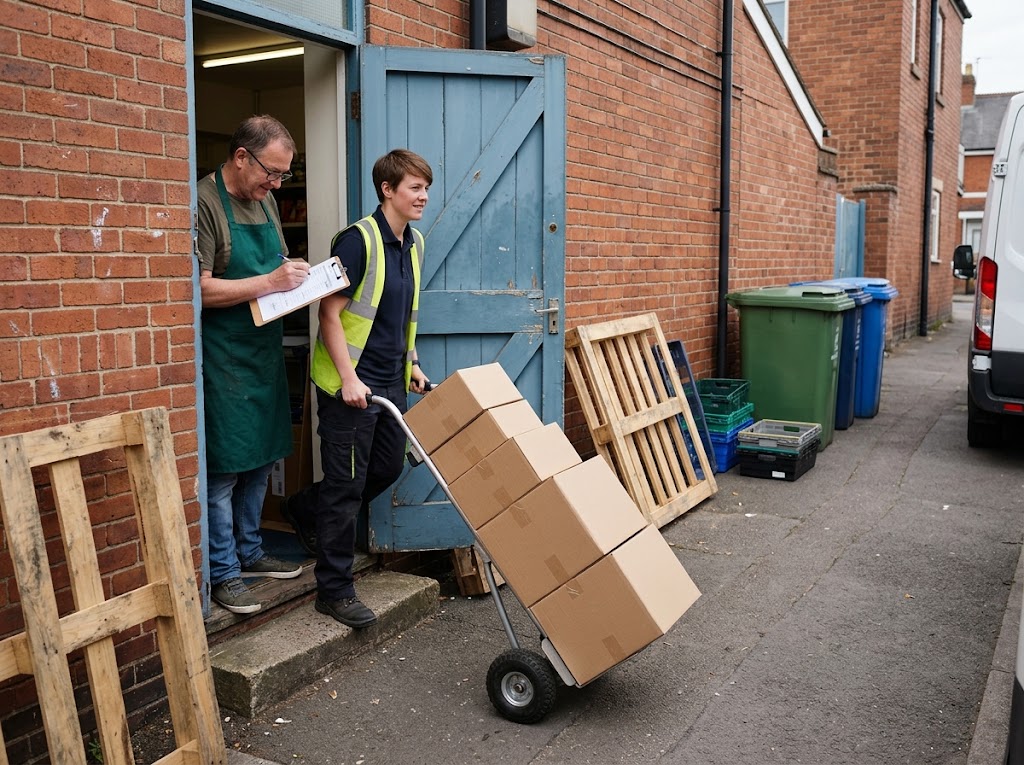
With trade credit, the stock arrives today and the bill is paid in 30 days.
Trade credit is one of the cheapest sources of finance there is. If the shop can sell this stock before the invoice is due, the supplier has, in effect, lent it the money for free.
openrevise.com
EDEXCEL GCSE BUSINESS · PAPER 1

PART TWO
Long-Term Sources
For starting up and growing, used for a year or more.
openrevise.com
EDEXCEL GCSE BUSINESS · PAPER 1

Long-Term Sources of Finance
Putting a business idea into practice
Lesson 5 of 5
Personal savings
The owner's own money. No interest and nothing to repay - but the owner risks losing it, and may not have enough.
Loan
A fixed amount borrowed from a bank, repaid with interest in regular instalments. Predictable, but interest must be paid, and the bank may want security.
Share capital
Money raised by selling shares - part-ownership - in the business. Nothing to repay, but the owner gives up some control and profit.
Venture capital
Investment from specialists in new, risky businesses with high growth potential, in return for a share of the business. Brings expertise, but loses some control.
Retained profit
Profit kept in the business rather than paid to the owners. No interest or repayment - but a new business has none yet.
Crowdfunding
Many people each invest a small amount, usually through a website, often in return for a reward or a share. Also tests demand, but the target may not be reached.
openrevise.com
EDEXCEL GCSE BUSINESS · PAPER 1

Two Ways to Raise Money
A loan from one lender, or small amounts from many people.
Putting a business idea into practice
Lesson 5 of 5

A bank loan: one lender, repaid with interest.
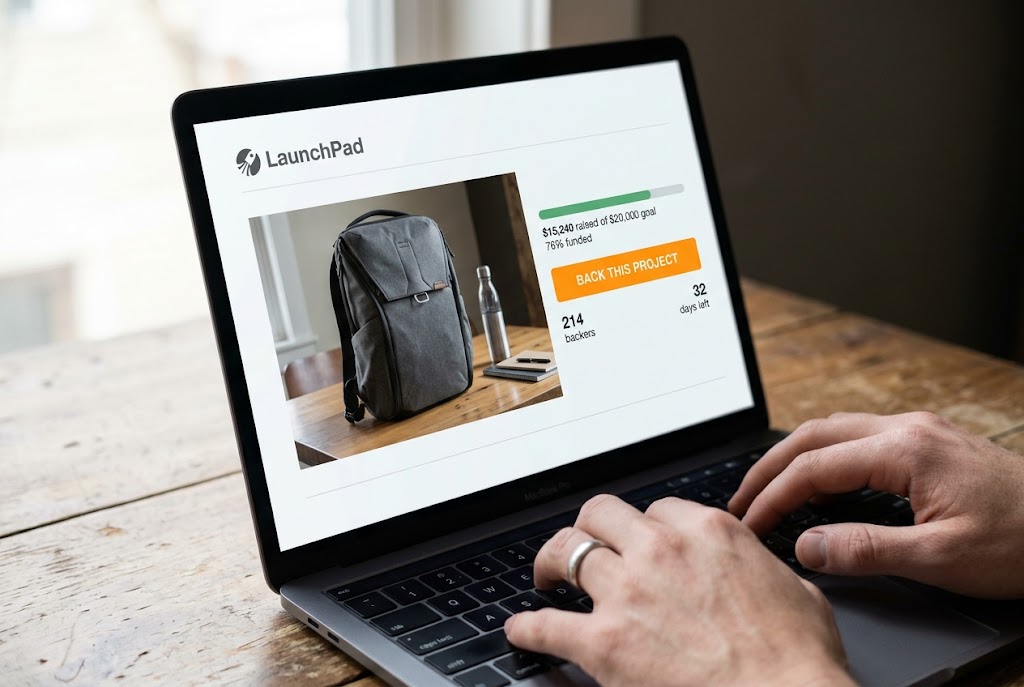
Crowdfunding: many people, small amounts.
openrevise.com
EDEXCEL GCSE BUSINESS · PAPER 1

Sources of Finance at a Glance
Putting a business idea into practice
Lesson 5 of 5
Source
Term
Main advantage
Main disadvantage
Overdraft
Short
Flexible and quick to arrange
High interest; can be withdrawn
Trade credit
Short
Sell the goods before paying
Not always offered to new businesses
Personal savings
Long
No interest or repayments
Owner may lose their own money
Loan
Long
Fixed, predictable repayments
Interest; security may be needed
Share capital
Long
Nothing to repay
Owner loses some control and profit
Venture capital
Long
Large sums plus expert advice
Investors take a share and some control
Retained profit
Long
No interest or loss of control
New businesses have none
Crowdfunding
Long
Raises money and tests demand
Target may not be reached; idea is public
openrevise.com
EDEXCEL GCSE BUSINESS · PAPER 1

Choosing the Right Source
Putting a business idea into practice
Lesson 5 of 5
The best source depends on the business and what the money is for.
What it is for
Short-term needs (stock, a cash gap) suit short-term finance; long-term needs (equipment, premises) suit long-term finance.
How much is needed
Savings may cover a small amount; a large sum may need a loan, share capital or venture capital.
New or established
A new business has no retained profit and may struggle to get a loan or trade credit.
openrevise.com
EDEXCEL GCSE BUSINESS · PAPER 1

Choosing the Right Source (cont.)
Putting a business idea into practice
Lesson 5 of 5
Cost
Interest makes loans and overdrafts expensive; share capital and venture capital cost the owner control and future profit.
Control
An owner who wants to stay in charge may prefer a loan to selling shares.
openrevise.com
EDEXCEL GCSE BUSINESS · PAPER 1
Putting a business idea into practice
Lesson 5 of 5
CASE STUDY

BrewDog: Crowdfunding a Brewery
BrewDog was founded in Scotland in 2007 by James Watt and Martin Dickie. In 2009 it launched "Equity for Punks", inviting its customers to buy small shares in the business online. Over the following years it raised tens of millions of pounds from more than 100,000 people - money it used to build new breweries and open bars. The investors became some of its most loyal customers, and BrewDog avoided having to rely on a bank or a single large investor.
2009
Equity for Punks launched
100,000+
People who invested
openrevise.com
EDEXCEL GCSE BUSINESS · PAPER 1

Key Terms
Putting a business idea into practice
Lesson 5 of 5
Overdraft
An agreement allowing a business to spend more than is in its bank account, up to a limit.
Trade credit
When a supplier allows a business to pay for goods some time after receiving them.
Personal savings
The owner's own money put into the business.
Loan
A fixed sum borrowed and repaid with interest in regular instalments.
Share capital
Money raised by selling shares in a business.
Venture capital
Investment in a new or small business with high growth potential, in return for a share of it.
openrevise.com
EDEXCEL GCSE BUSINESS · PAPER 1

Key Terms (cont.)
Putting a business idea into practice
Lesson 5 of 5
Retained profit
Profit kept in the business to be reinvested.
Crowdfunding
Raising money from a large number of people, each investing a small amount, usually online.
openrevise.com
EDEXCEL GCSE BUSINESS · PAPER 1
Putting a business idea into practice
Lesson 5 of 5

YOUR TASK
Match the Money to the Business
12 minutes
Recommend the best source of finance for each, and explain why: a café that needs £800 to cover a quiet February; a new tech start-up that needs £500,000 to develop an app; a successful bakery that wants a £20,000 oven; a student starting a dog-walking business that needs £150 for leads and flyers.
1
Decide: short term or long term?
2
Consider how much is needed.
3
Consider whether the business is new or established.
4
Recommend a source and justify it.
WHAT A GOOD ANSWER SHOWS
A suitable source for each - overdraft, venture capital, retained profit or a loan, and personal savings - with a reason linked to the amount, the purpose and the type of business.
openrevise.com
EDEXCEL GCSE BUSINESS · PAPER 1

Can I...?
Putting a business idea into practice
Lesson 5 of 5
Explain why businesses need finance.
Explain overdrafts.
Explain trade credit.
Explain personal savings and loans.
Explain share capital and venture capital.
Explain retained profit.
Explain crowdfunding.
Choose and justify a source of finance.
openrevise.com
EDEXCEL GCSE BUSINESS · PAPER 1
Summary & Exam Focus
Short-term finance: overdraft and trade credit.
Long-term finance: personal savings, loans, share capital, venture capital, retained profit and crowdfunding.
The right choice depends on the purpose, the amount, the cost and how much control the owner wants to keep.
New businesses often rely on personal savings, loans and crowdfunding.
EXAM FOCUS
Justify which source of finance a new business should use to buy equipment. (9 marks)
For Justify questions, explain both options with their benefits and drawbacks for this business, then make a clear choice and support it with "because" and "it depends on".
openrevise.com
EDEXCEL GCSE BUSINESS · PAPER 1

Exam Practice: Sources of Business Finance
Putting a business idea into practice
Lesson 5 of 5
Answer all questions. Use the context of the business in the question where one is given. · 30 minutes
Question 1 · 1 mark · Define
Define the term 'trade credit'.
Question 2 · 1 mark · State
State one long-term source of finance for a small business.
Question 3 · 2 marks · Outline
Outline one disadvantage to a business of using an overdraft.
openrevise.com
EDEXCEL GCSE BUSINESS · PAPER 1

Exam Practice: Sources of Business Finance (cont.)
Putting a business idea into practice
Lesson 5 of 5
Question 4 · 3 marks · Explain
Explain one benefit to a new business of using crowdfunding.
Question 5 · 9 marks · Justify
Justify which one of these two options Tom should choose.
openrevise.com
EDEXCEL GCSE BUSINESS · PAPER 1

Question 1 · 1 mark · Define
Putting a business idea into practice
Lesson 5 of 5
“
Define the term 'trade credit'.
HOW TO ANSWER IT
Command word: Define. Worth 1 mark, so plan before writing.
openrevise.com
EDEXCEL GCSE BUSINESS · PAPER 1

Question 1 · mark scheme
Putting a business idea into practice
Lesson 5 of 5
1 mark available. Award a mark for each point made.
Buy now / pay supplier later
1 mark
openrevise.com
EDEXCEL GCSE BUSINESS · PAPER 1

Question 2 · 1 mark · State
Putting a business idea into practice
Lesson 5 of 5
“
State one long-term source of finance for a small business.
HOW TO ANSWER IT
Command word: State. Worth 1 mark, so plan before writing.
openrevise.com
EDEXCEL GCSE BUSINESS · PAPER 1

Question 2 · mark scheme
Putting a business idea into practice
Lesson 5 of 5
1 mark available. Award a mark for each point made.
Any one of: personal savings; venture capital; share capital; loan; retained profit; crowdfunding
1 mark
openrevise.com
EDEXCEL GCSE BUSINESS · PAPER 1

Question 3 · 2 marks · Outline
Putting a business idea into practice
Lesson 5 of 5
“
Outline one disadvantage to a business of using an overdraft.
HOW TO ANSWER IT
Command word: Outline. Worth 2 marks, so plan before writing.
openrevise.com
EDEXCEL GCSE BUSINESS · PAPER 1

Question 3 · mark scheme
Putting a business idea into practice
Lesson 5 of 5
2 marks available. Award a mark for each point made.
A disadvantage identified, e.g. high interest / can be withdrawn at short notice
1 mark
Developed: the effect on the business
1 mark
openrevise.com
EDEXCEL GCSE BUSINESS · PAPER 1

Question 4 · 3 marks · Explain
Putting a business idea into practice
Lesson 5 of 5
“
Explain one benefit to a new business of using crowdfunding.
HOW TO ANSWER IT
Command word: Explain. Worth 3 marks, so plan before writing.
openrevise.com
EDEXCEL GCSE BUSINESS · PAPER 1

Question 4 · mark scheme
Putting a business idea into practice
Lesson 5 of 5
3 marks available. Award a mark for each point made.
A benefit identified, e.g. tests demand / no interest / publicity / raises money without a bank
1 mark
First linked point of explanation
1 mark
Second linked point of explanation
1 mark
openrevise.com
EDEXCEL GCSE BUSINESS · PAPER 1

Question 5 · 9 marks · Justify
Putting a business idea into practice
Lesson 5 of 5
“
Justify which one of these two options Tom should choose.
— Tom is starting a mobile coffee van business. He needs £18,000 to buy and fit out the van. He has £5,000 of savings. He has two options for the remaining £13,000. Option 1: A bank…
HOW TO ANSWER IT
Command word: Justify. Worth 9 marks, so plan before writing.
openrevise.com
EDEXCEL GCSE BUSINESS · PAPER 1

Question 5 · mark scheme
Putting a business idea into practice
Lesson 5 of 5
9 marks available. Award a mark for each point made.
AO2 (Application, 3 marks): uses Tom's context - the van, £5,000 savings, £13,000 needed, 9% interest, a 30% share
Level 1-3
AO3a (Analysis, 3 marks): chains of reasoning about each option
Level 1-3
AO3b (Evaluation, 3 marks): a justified choice with a supported judgement, e.g. "it depends on"
Level 1-3
openrevise.com
← → to move, F to present full screen, G for every slide at once.