Viewing as
Teacher view: planning notes, the answers to every question, and the teacher copies of the files.
Business · Enterprise and entrepreneurship
The role of business enterprise
Businesses exist to produce goods or services that meet customer needs, and they succeed by adding value. Entrepreneurs add value through convenience, branding, quality, design and a unique selling point.
Teacher resources
The teacher copies: slides with the questions built in, the answers, and anything else attached to this lesson for whoever is teaching it.
- The role of business enterprise - Teacher Slides.pptx Teacher The lesson slides with the teacher's notes on each slide, and every question and mark scheme built in. Built from the lesson script on 24 September 2026. View
- The role of business enterprise - Teacher Notes.docx Teacher The complete notes with the teacher's notes and every model answer in full. Built from the lesson script on 24 September 2026. View
Student handouts
The same files the students see, to print or hand out.
- The role of business enterprise.pptx Built from the lesson script on 24 September 2026. View
- The role of business enterprise - Completed Notes.docx The full notes for the lesson, to revise from. Built from the lesson script on 24 September 2026. View
- The role of business enterprise - Exam Questions.docx Built from the lesson script on 24 September 2026. View
Last Lesson
Answer from memory before the answers appear.
-
Name the three risks of starting a business.
Business failure, financial loss and lack of security.
-
Name the three rewards.
Business success, profit and independence.
-
What is profit?
Total revenue minus total costs.
-
Give one way an entrepreneur can reduce risk.
Market research, a business plan, starting small, or limiting borrowing.
Learning Objectives
- 1Explain the purpose of business activity: producing goods or services, meeting customer needs and adding value.
- 2Explain the role of the entrepreneur: organising resources, making decisions and taking risks.
- 3Define added value and calculate it.
- 4Explain how entrepreneurs add value through convenience, branding, quality, design and a unique selling point.
The Purpose of Business Activity
Why do businesses exist at all?
-
To produce goods or services
Goods are physical products you can touch, such as trainers or a phone. Services are things done for you, such as a haircut or a bus journey.
-
To meet customer needs
A business will only survive if it sells something customers want at a price they are willing to pay.
-
To add value
A business turns inputs into something worth more to the customer than the inputs cost - which is how it makes a profit.
-
To make a profit
For most businesses, adding value and meeting needs is how they make the profit that rewards the owner.
How a Business Turns Inputs into Outputs
Every business, from a café to a car factory, does the same thing.
-
1
Inputs
Resources: raw materials, staff, equipment, premises and money.
-
2
The business process
The entrepreneur organises the inputs to make a product or provide a service.
-
3
Outputs
Goods or services sold to customers.
-
4
Added value
The outputs are worth more than the inputs cost - the difference is the value added.
The Role of the Entrepreneur
-
Organises resources
Brings together the inputs a business needs: materials, staff, equipment, premises and money.
-
Makes business decisions
Decides what to sell, how to make it, what price to charge and who to sell it to.
-
Takes risks
Puts their own time and money into the business, knowing it could fail.
What Is Added Value?
Added value = selling price - cost of bought-in materials and components.
-
What it means
The extra amount a customer is willing to pay for a product over and above what its materials cost.
-
Why it matters
Added value is used to pay the business's other costs, such as wages and rent. What is left is profit.
-
More value, more choice
A business that adds more value can charge a higher price, or attract more customers at the same price.
-
Not the same as profit
Added value is before the business's other costs are paid; profit is what is left after all costs.
Added Value, Drawn Out
The coffee beans, milk and cup in a takeaway coffee cost the café about 80p. The customer pays £3.20. The £2.40 difference is the value the café has added - through the barista's skill, the convenience of the location, the brand and the quality of the coffee.
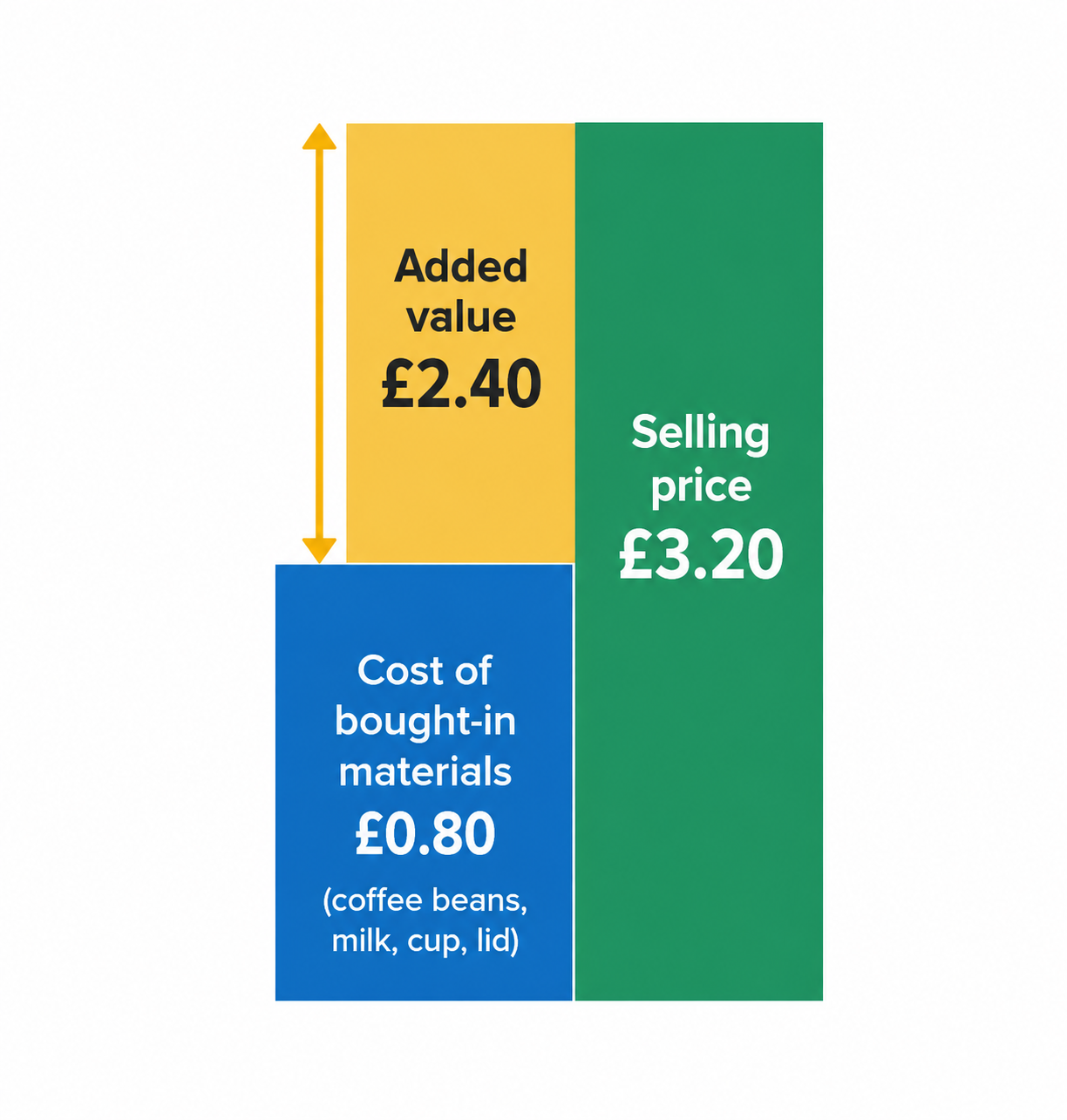
Added value = selling price (£3.20) - cost of bought-in materials (£0.80) = £2.40.
Calculating Added Value
Edexcel "Calculate" questions: show your working for the method mark.
A bakery sells a birthday cake for £24. The flour, eggs, butter, sugar, decorations and box cost £7.50. Calculate the added value.
- 1 Write the formula Added value = selling price - cost of bought-in materials
- 2 Put in the numbers Added value = £24.00 - £7.50
- 3 Work it out = £16.50
AnswerAdded value = £16.50
Ways to add value
Ways to add value
-
Convenience
- open late
- close by
- home delivery
- easy online ordering
-
Branding
- a recognisable name and logo
- a strong image
- customer loyalty
-
Quality
- better materials
- reliability
- excellent service
-
Design
- looks good
- easy to use
- stands out on the shelf
-
Unique selling point
- something no competitor offers
- makes the product stand out
Convenience
Making the product easier or quicker to buy or use.
-
What it is
Saving the customer time or effort: a good location, long opening hours, home delivery, or ordering on an app.
-
Why it adds value
Customers will pay more to save time, which is why a sandwich costs more at a station than in a supermarket.
-
Example
Ready-to-eat meals and meal kits cost more than the ingredients because the customer does not have to prepare them.
Branding
Giving the product a name, logo and image customers recognise and trust.
-
What it is
A brand is a name, symbol or design that makes a product recognisable and different from its rivals.
-
Why it adds value
A strong brand builds trust and loyalty, so customers will pay more for the branded product than for an unbranded one that is almost the same.
-
Example
Branded trainers and branded cola sell for far more than supermarket own-label versions.
Same Shoe, Different Value
What is a brand worth?
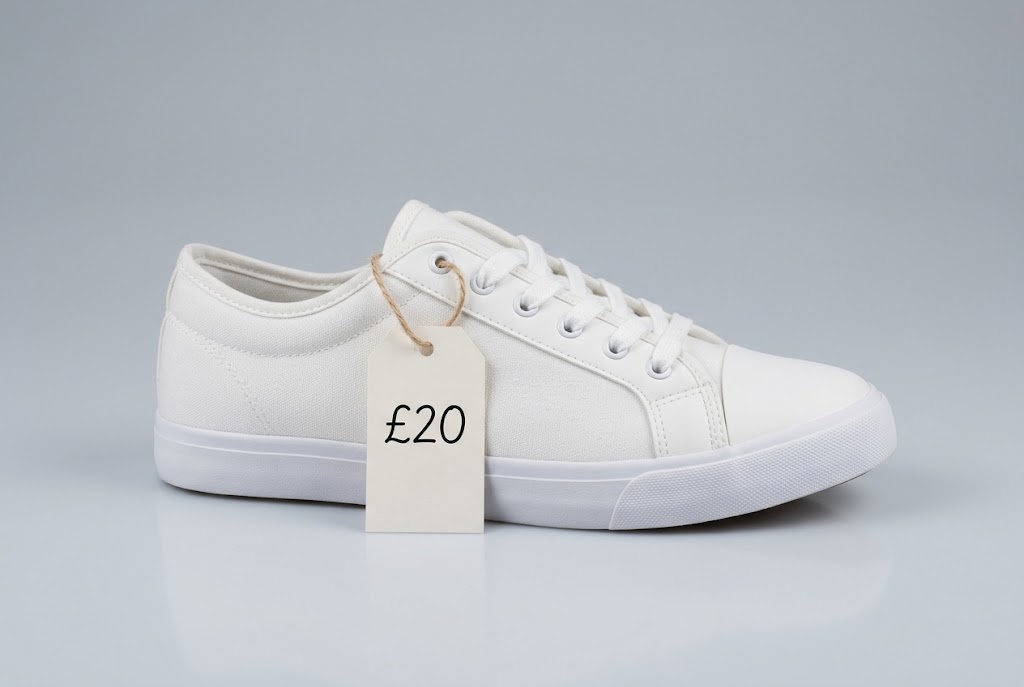
Unbranded: £20
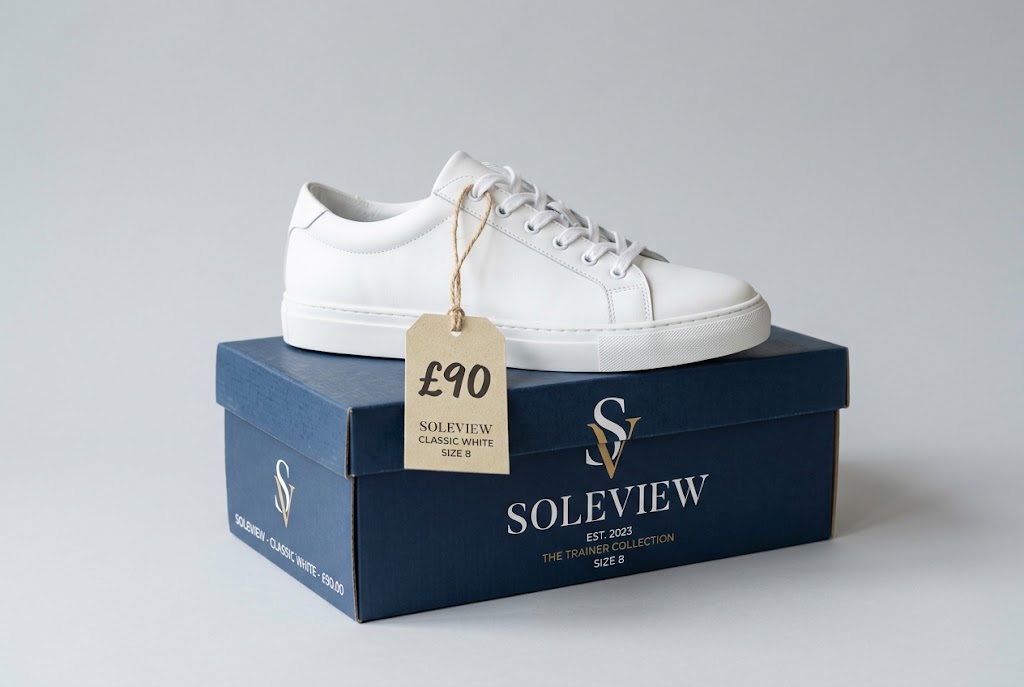
Branded: £90
Quality
Making a product that is better made, lasts longer or comes with better service.
-
What it is
Using better materials, making the product more reliable, or giving excellent customer service.
-
Why it adds value
Customers will pay more for something they believe will last longer or work better.
-
Example
Hand-made furniture, or a restaurant with fresh local ingredients, charges more than mass-produced alternatives.
Design
Making a product that looks good and is easy to use.
-
What it is
How a product looks, how it works and how easy it is to use.
-
Why it adds value
An attractive, well-designed product stands out from its rivals and customers will pay more for it.
-
Example
Dyson products are designed to look different from other vacuum cleaners, and sell at a premium price.
Unique Selling Point (USP)
The feature that makes a product different from every competitor's.
-
What it is
Something about a product or service that no competitor offers, which makes it stand out.
-
Why it adds value
If customers cannot buy it anywhere else, the business can charge a higher price and win customers from rivals.
-
Examples
Dyson's bagless vacuum when it was launched; a café that is the only one in town open 24 hours.
-
Protecting it
A USP is valuable only as long as it lasts: competitors will copy a successful one, so businesses must keep adding value.
Adding Value in Practice
One coffee, three ways of adding value
- Convenience A shop on the way to work, ready in two minutes.
- Quality Skilled baristas and better beans.
- Branding A name and cup customers recognise and trust.

A coffee shop adds value through convenience, quality and branding at once.
Case study
Innocent Drinks: Adding Value to Fruit
Innocent was started in 1999 by three friends who tested their smoothies at a London music festival, asking customers to throw their empty bottles into a bin marked YES or NO to say whether they should give up their jobs. The YES bin won. Innocent adds value to fruit through branding (a friendly, jokey brand with chatty labels), quality (no added sugar or concentrates in its smoothies), design (simple, recognisable bottles) and convenience (a healthy drink ready to grab from a shop fridge). Coca-Cola began buying the business in 2009 and later took full control.
Ways of Adding Value at a Glance
-
Convenience
What it means: Saving the customer time or effort. Example: Food delivery apps
-
Branding
What it means: A recognised name, logo and image. Example: Branded trainers
-
Quality
What it means: Better materials, reliability or service. Example: Hand-made furniture
-
Design
What it means: Looks good and easy to use. Example: Dyson vacuum cleaners
-
USP
What it means: Something no competitor offers. Example: A 24-hour café in a small town
Add Value to a Plain Bottle of Water
A plain 500ml bottle of water costs a business 10p to produce and sells for 50p. Using at least three of the five ways of adding value, explain how a new business could sell its bottled water for £1.50.
1. Name the way of adding value.
2. Say exactly what the business would change.
3. Explain why customers would pay more.
A good answer shows: Three ways named, each with a specific change to the product and an explanation of why customers would pay more for it.
Can I...?
- 1Explain the purpose of business activity.
- 2Describe the role of the entrepreneur.
- 3Define added value.
- 4Calculate added value.
- 5Explain how convenience adds value.
- 6Explain how branding adds value.
- 7Explain how quality adds value.
- 8Explain how design adds value.
- 9Explain what a USP is and why it adds value.
Summary & Exam Focus
- Businesses exist to produce goods or services, meet customer needs and add value.
- Entrepreneurs organise resources, make business decisions and take risks.
- Added value = selling price - cost of bought-in materials.
- Value is added through convenience, branding, quality, design and a USP.
Exam focus
Explain one way an entrepreneur could add value to a product. (3 marks) (3 marks)
Name one way only - an answer that lists several with no explanation earns 1 mark. Then explain how it makes customers willing to pay more, and link that to higher revenue or profit for the business.
Key terms
The vocabulary this lesson expects you to use. Each one is linked from the first place it appears above.
- Goods
- Physical products that can be touched, such as a phone or a pair of trainers.
- Services
- Things done for a customer, such as a haircut or a taxi journey.
- Added value
- The difference between the selling price of a product and the cost of the bought-in materials used to make it.
- Convenience
- Making a product quicker or easier for customers to buy or use.
- Brand
- A name, symbol or design that makes a product recognisable and different from its competitors.
- Quality
- How well a product meets customers' needs: how well made and reliable it is.
- Design
- How a product looks, works and is used.
- Unique selling point (USP)
- A feature of a product or service that makes it different from all its competitors.
Questions and answers
11 questions set on this lesson, with the mark schemes and model answers open.
Define the term 'unique selling point'.
Mark scheme — 1 mark available
- A feature that differentiates a product / makes it stand out from competitors — 1 mark
Model answer
A feature of a product or service that makes it different from those of its competitors.
Define the term 'added value'.
Mark scheme — 1 mark available
- Selling price minus cost of bought-in materials / inputs — 1 mark
Model answer
The difference between the selling price of a product and the cost of the bought-in materials and components used to make it.
A café sells a sandwich for £4.50. The bread, filling and packaging cost £1.20. Calculate the added value of the sandwich. You are advised to show your working.
Mark scheme — 2 marks available
- Correct method: selling price - cost of bought-in materials — 1 mark
- Correct answer: £3.30 — 1 mark (award 2 marks for the correct answer with no working)
Model answer
Added value = £4.50 - £1.20 = £3.30
Explain one way an entrepreneur could add value to a product.
Mark scheme — 3 marks available
- A way identified: convenience / branding / quality / design / USP — 1 mark
- First linked point: how it makes the product more attractive to customers — 1 mark
- Second linked point: customers pay more, so value added / profit increases — 1 mark
- Answers listing several ways with no explanation — maximum 1 mark
Model answer
By giving the product a unique selling point (1). This will differentiate it from competitors' products, so customers cannot buy the same thing elsewhere (1). As a result customers may be willing to pay a higher price, which increases the value added and the business's profit (1).
Explain one benefit to a business of having a strong brand.
Mark scheme — 3 marks available
- A benefit identified, e.g. loyalty / can charge higher prices / stands out from competitors — 1 mark
- First linked point of explanation — 1 mark
- Second linked point of explanation — 1 mark
Model answer
Customer loyalty (1). Customers who recognise and trust the brand are more likely to buy from the business again rather than from a competitor (1). This means the business can charge a higher price than an unbranded rival, increasing its added value (1).
Source: Priya runs a small bakery in a market town. She sells bread and cakes at similar prices to the supermarket nearby, and her sales have fallen for two years. She has enough money for one improvement. Option 1: Improve convenience by offering online ordering and home delivery. Option 2: Improve quality by switching to organic, locally produced ingredients. Justify which one of these two options Priya should choose to add value to her products.
Mark scheme — 9 marks available
- AO2 (Application, 3 marks): uses Priya's context - small bakery, falling sales, supermarket competitor — Level 1-3
- AO3a (Analysis, 3 marks): chains of reasoning about how each option adds value — Level 1-3
- AO3b (Evaluation, 3 marks): a justified choice with a supported judgement, e.g. "it depends on" — Level 1-3
Model answer
Option 1, convenience, would let customers order from home, so Priya could reach busy customers who do not visit the town centre. This could increase sales without her needing to cut prices. However, delivery adds costs such as a driver and fuel, which would reduce her added value per order. Option 2, quality, would give Priya a clear difference from the supermarket, which cannot match fresh local organic baking. This gives her a unique selling point, so customers may be willing to pay a higher price, directly increasing added value. On balance Priya should choose Option 2, because her problem is that she sells at supermarket prices with nothing to make her stand out; the supermarket already offers convenience, but it cannot offer locally baked organic quality. This depends, though, on whether her customers can afford to pay more.
Which one of the following is the formula for added value?
Why: Added value is the selling price minus the cost of the bought-in materials used to make the product.
A takeaway sells burgers for £6. The ingredients and packaging cost £1.50. What is the added value?
Why: £6.00 - £1.50 = £4.50.
A gym is the only one in its town that is open 24 hours a day. This is an example of:
Why: Being the only gym open 24 hours is a feature no competitor offers - a unique selling point.
Which one of the following is NOT one of the roles of an entrepreneur?
Why: Entrepreneurs organise resources, make business decisions and take risks. Guaranteeing profit is impossible.
A sandwich costs more at a railway station than in a supermarket. Which way of adding value does this show?
Why: Travellers pay extra for a sandwich that is right there when they need it - convenience.