Viewing as
Teaching this? The teacher view adds 2 files, the mark schemes and the model answers.
Business · Making marketing decisions
Promotion
Businesses promote their products through advertising, sponsorship, sales promotions, public relations and branding - and increasingly through targeted online adverts, social media and e-newsletters. The right method depends on the market segment.
Last Lesson
Answer from memory before the answers appear.
-
What is penetration pricing?
A low launch price to gain market share.
-
What is price skimming?
A high launch price, lowered over time.
-
How do you calculate a cost-plus price?
Cost + (cost × mark-up %).
-
Give one influence on pricing.
Technology, competition, market segments or the product life cycle.
Learning Objectives
- 1Explain the main promotional methods: advertising, sponsorship, product trials, sales promotions, public relations and branding.
- 2Explain how promotion is chosen to suit different market segments.
- 3Explain how technology is used in promotion: targeted adverts, viral advertising, social media and e-newsletters.
Promotional Methods
-
Advertising
Paid messages on TV, radio, cinema, billboards, in print or online. Reaches many people, but can be expensive.
-
Sponsorship
Paying to have the brand linked to an event, team or programme. Builds awareness and a positive image.
-
Product trials
Free samples or free trials, so customers can try before they buy.
-
Sales promotions
Short-term offers: discounts, "buy one get one free", competitions, vouchers and loyalty points.
-
Public relations (PR)
Getting positive coverage in the media without paying for it directly - press releases, events and launches.
-
Branding
Creating a recognisable name, logo and image that customers trust and remember.
Old Media and New
A billboard reaches everyone who passes; an influencer reaches exactly the right followers.
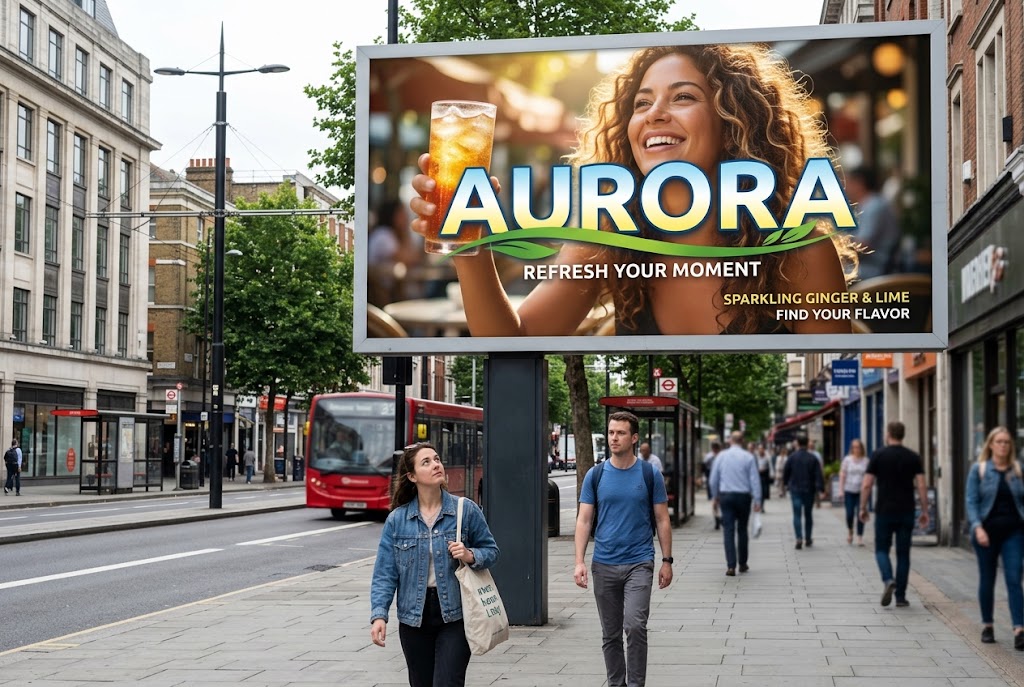
Traditional advertising: seen by everyone who passes.
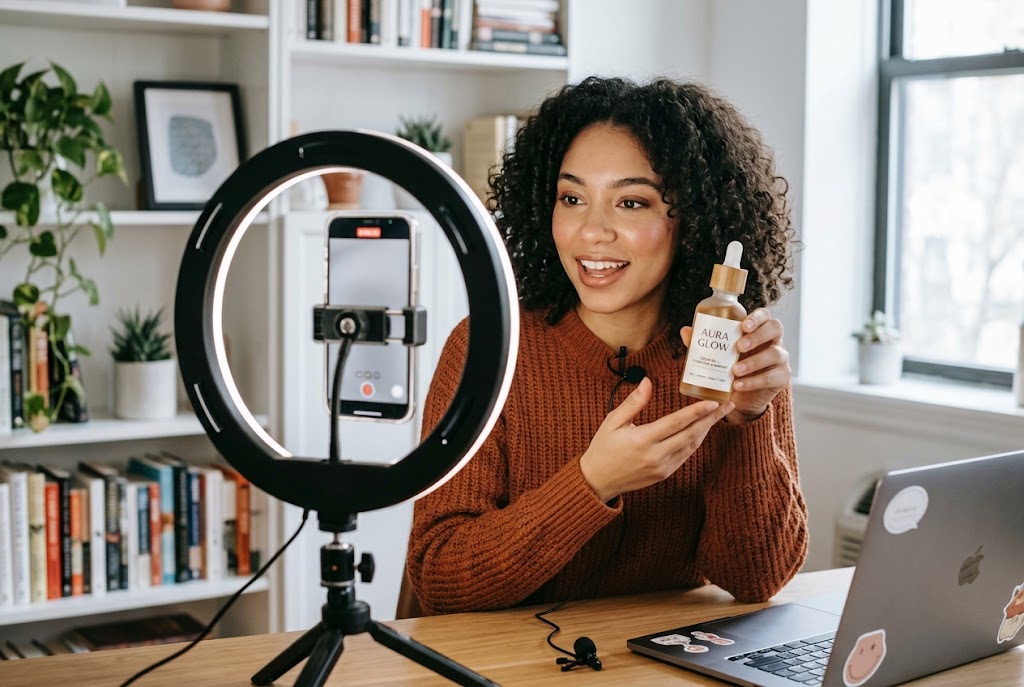
Social media: aimed at exactly the right followers.
Promotion for Different Market Segments
The best promotion reaches the target customers where they are.
-
Teenagers and young adults
Social media, influencers and online video.
-
Older customers
TV, radio, newspapers and direct mail.
-
Local customers
Leaflets, local radio, local newspapers and community sponsorship.
-
Business customers
Trade magazines, exhibitions and email.
-
Budget
Large businesses can afford TV and national sponsorship; small ones rely on cheaper methods.
Promotion Using Technology
Technology lets businesses target customers precisely and cheaply.
-
Targeted online advertising
Adverts shown only to people whose searches, location, age and interests match the target market.
-
Viral advertising
Content that customers share with each other on social media, spreading the message for free.
-
Social media
Posts, stories and videos that build a following and let customers engage with the brand.
-
E-newsletters
Emails sent to customers who have signed up, with news, offers and new products.
Traditional or Digital Promotion?
Traditional (TV, print, billboards)
- Reaches a very large audience.
- Builds trust and brand image.
- Very expensive, especially TV.
- Hard to measure exactly who saw it.
- Cannot be targeted precisely.
Digital (online, social media, email)
- Cheap, and suits small budgets.
- Targeted at exactly the right customers.
- Results can be measured - clicks, views and sales.
- Customers can share it, spreading it further.
- But: easy to ignore, and bad feedback spreads fast too.
Case study
John Lewis: The Christmas Advert
Since 2007 the department store John Lewis has launched a big-budget Christmas TV advert every November. The adverts - such as "The Long Wait" in 2011 and "The Man on the Moon" in 2015 - tell emotional stories and have become an event in their own right. They are shown on TV, but are also watched and shared millions of times online, reported in newspapers and discussed on social media. John Lewis combines traditional advertising, viral sharing and public relations in one campaign.
Plan a Campaign
A new brand of protein bar aimed at 18-30-year-olds who go to the gym is launching with a £20,000 budget. Plan a promotional campaign using at least three methods, including one use of technology. Explain why each suits the target market and budget.
1. Choose three methods.
2. Include one digital method.
3. Explain why each suits the target market.
4. Keep within the budget.
A good answer shows: Three or more methods matched to young gym-goers, with at least one digital method, and a sensible use of the budget - no £1 million TV campaign.
Can I...?
- 1Explain advertising.
- 2Explain sponsorship.
- 3Explain product trials.
- 4Explain sales promotions.
- 5Explain public relations.
- 6Explain branding.
- 7Match promotion to market segments.
- 8Explain how technology is used in promotion.
Summary & Exam Focus
- Methods: advertising, sponsorship, product trials, sales promotions, PR and branding.
- The right method depends on the market segment and the budget.
- Technology: targeted adverts, viral advertising, social media and e-newsletters.
- Digital promotion is cheap, targeted and measurable.
Exam focus
Explain one benefit to a business of using social media to promote its products. (3 marks) (3 marks)
Always link the method to the target market: a promotion is only good if it reaches the right customers at a cost the business can afford.
Key terms
The vocabulary this lesson expects you to use. Each one is linked from the first place it appears above.
- Promotion
- Communicating with customers to persuade them to buy.
- Advertising
- Paid-for communication through media such as TV, print, billboards and online.
- Sponsorship
- Paying to link a brand with an event, team or programme.
- Sales promotion
- A short-term offer to boost sales, such as a discount or free gift.
- Public relations (PR)
- Gaining positive media coverage without paying for it directly.
- Branding
- Giving a product a recognisable name, logo and image.
- Viral advertising
- Promotion that spreads as customers share it online.
- Targeted advertising
- Online adverts shown only to people who match the target market.
Downloads
Free to keep, print and annotate.
Something here looks wrong?
Tell us what and we will go and look. It goes to whoever writes these pages, nobody else, and we do not ask who you are — so there is nothing to sign and nothing comes back to you.